

Shutterstock.com

Standards

Should Teens Do Extreme Sports?

Activities like BMX biking, skateboarding, and snowboarding come with big thrills—and big risks.  

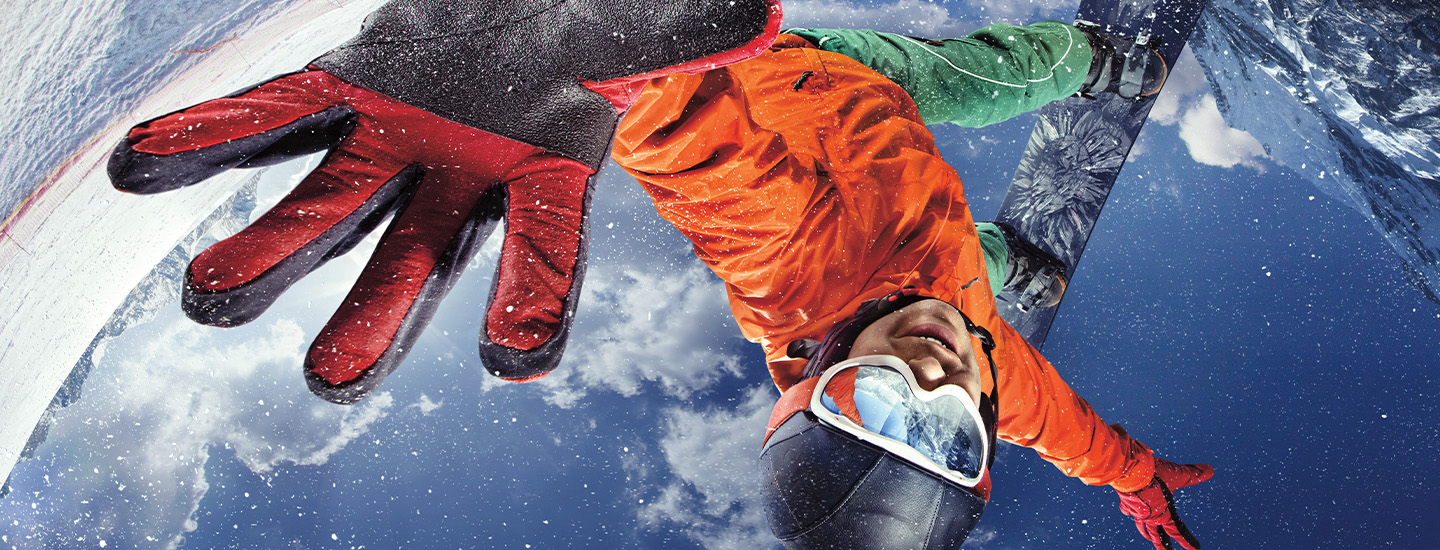
    For 17-year-old Ollie Martin, snowboarding is everything. In 2024, he became the youngest snowboarder to land a 2160. (That’s six full rotations in the air!) In 2025, he took home his first World Cup medal. At press time, many believed he was headed for this month’s Winter Olympics.

    But Ollie has also faced big setbacks. Last January, he suffered a major head injury. It forced him to take a break from the sport he loves.

    Like Ollie, many young athletes enjoy the thrill of extreme sports. (Those are intense activities that often involve high speeds, heights, and stunts.) But big thrills can come with even bigger risks.

    Should teens sit these sports out?

    Ollie Martin, 17, loves snowboarding. In 2024, he became the youngest snowboarder to land a 2160. (That’s six full rotations in the air!) In 2025, he took home his first World Cup medal. At press time, many believed he was headed for this month’s Winter Olympics.

    But Ollie has also faced setbacks. Last January, he suffered a head injury. It forced him to take a break from the sport he loves.

    Like Ollie, many teens love extreme sports. (Those are intense activities that often involve high speeds, heights, and stunts.) But these sports can come with big risks.

    Should teens sit these sports out?

    For 17-year-old Ollie Martin, snowboarding is everything. In 2024, Ollie became the youngest snowboarder to land a 2160. (That’s six full rotations in the air!) In 2025, he took home his first World Cup medal. At press time, many believed he was headed for this month’s Winter Olympics.

    But Ollie has also experienced big setbacks. Last January, he suffered a major head injury, which forced him to take a break from the sport he loves.

    Like Ollie, many young athletes enjoy the thrill of extreme sports—intense activities that often involve high speeds, heights, and stunts. But big thrills can come with even bigger risks.

    Should teens sit these sports out?

Unique Benefits

Shutterstock.com

    Like all sports, extreme sports can be good for you. These activities help strengthen your muscles. Staying active can boost your mood. And being an athlete teaches hard work and discipline.

    Some experts also say extreme sports have an added benefit. Sandra Whitehouse is a psychologist at the Child Mind Institute. She says humans are wired to want to take risks. And extreme sports can teach teens to take risks in a healthy way.

    For example, let’s say you sign up for a rock climbing class. It’s guided by expert coaches. You wear a helmet to protect yourself. You scale a huge wall with support from a rope. Now you’re getting that rush you crave in a safe setting. And you’re building confidence in yourself too.

    All sports can be good for you. They help make your muscles strong. Staying active can boost your mood. And being an athlete teaches hard work and discipline.

    Some experts say extreme sports have an added benefit. Sandra Whitehouse is a psychologist at the Child Mind Institute. She says humans are wired to want to take risks. And extreme sports can teach teens to take risks in a healthy way.

    Let’s say you take a rock climbing class. It’s guided by expert coaches. You wear a helmet to protect yourself. You climb a wall with support from a rope. You get that rush you crave in a safe setting. And you build confidence in yourself too.

    Like all sports, extreme sports can be good for you. The activities help strengthen your muscles, staying active can improve your mood, and the life of an athlete encourages hard work and discipline.

    According to some experts, extreme sports have an additional benefit. Sandra Whitehouse, a psychologist at the Child Mind Institute, says    humans are wired to want to take risks. And extreme sports can teach teens to take risks in a healthy way.

    For example, let’s say you sign up for a rock climbing class. It’s guided by expert coaches. Wearing a helmet to protect yourself, you scale a huge wall with support from a rope. Now you’re getting that rush you crave in a safe setting—and you’re developing self-confidence too.

The Teen Brain

Shutterstock.com

    Still, experts warn that extreme sports can be extra dangerous for young people. Why? Teens’ brains are still growing. This can make it harder to weigh risks. Many young athletes are quick to try a new skill. They are less likely to think about what could go wrong.

    Taking risks can also feel addictive. Trying a new trick floods your brain with a feel-good chemical called dopamine. If you succeed, you crave more of it.

     The problem is, extreme sports aren’t always supervised. Young athletes often practice on their own or with friends. As a result, there’s no coach to stop them from rushing into dangerous stunts before they’re ready. This can lead to serious injuries.

    As for Ollie, he was lucky to recover from his injury. Now he knows his limits. And sometimes it pays off. It may have even helped him win a World Cup event last year.

    “I decided to play this one safe,” Ollie said after the big win. “And it worked out so well.” 

    Still, experts warn that extreme sports can be extra dangerous for young people. Why? Teens’ brains are still growing. This can make it harder to weigh risks. Many young athletes are quick to try a new skill. They are less likely to think about what could go wrong.

    Taking risks can also feel addictive. Trying a new trick floods your brain with a feel-good chemical called dopamine. If you succeed, you crave more of it.

     And extreme sports aren’t always supervised. Young athletes often practice on their own or with friends. There’s no coach to stop them from trying stunts before they’re ready. This can lead to serious injuries.

    Ollie healed from his injury. Now he knows his limits. And sometimes it pays off. It may have even helped him win a World Cup event last year.

    “I decided to play this one safe,” he said after he won. “And it worked out so well.” 

    Still, experts warn that extreme sports can be particularly dangerous for young people. Why? Teens’ brains are still developing, which means young people sometimes have difficulty assessing risks. Many young athletes are quick to try a new skill but less likely to think about what could go wrong.

    Taking risks can also feel addictive. Trying a new trick floods your brain with a feel-good chemical called dopamine. If you succeed, you crave more of it.

     The problem is, extreme sports aren’t always supervised. Young athletes often practice on their own or with friends. Without a coach standing by to discourage them from rushing into dangerous stunts before they’re ready, these athletes are at risk for serious injuries.

    As for Ollie, he was lucky to recover from his injury. Now he knows his limits—and that knowledge can be extremely valuable. It may have even helped him win a World Cup event last year.

    “I decided to play this one safe,” Ollie stated after the big win. “And it worked out so well.” 

ACTIVITY: 
Should Teens Do Extreme Sports?

What to do: Use evidence from the article to support each side of this debate. Write the information on a separate sheet of paper.

What to do: Use evidence from the article to support each side of this debate. Write the information on a separate sheet of paper.

What to do: Use evidence from the article to support each side of this debate. Write the information on a separate sheet of paper.

Yes
They can be good for teens.

1.

2.

3.

Yes
They can be good for teens.

1.

2.

3.

Yes
They can be good for teens.

1.

2.

3.

No
They are too dangerous.

1.

2.

3.

No
They are too dangerous.

1.

2.

3.

No
They are too dangerous.

1.

2.

3.

What does your class think?

Should Teens Do Extreme Sports?

Please enter a valid number of votes for one class to proceed.

Should Teens Do Extreme Sports?

Please select an answer to vote.

Should Teens Do Extreme Sports?

0%
0votes
{{result.answer}}
Total Votes: 0
Thank you for voting!
Sorry, an error occurred and your vote could not be processed. Please try again later.
Skills Sheets (3)
Skills Sheets (3)
Skills Sheets (3)
Lesson Plan (1)
Leveled Articles (2)
Text-to-Speech