


Courtesy of Tom Ellison
Tom Ellison, around 1962
Twelve-year-old Tom Ellison stepped off the bus. His heart was humming with excitement. Finally, he was here: Washington, D.C.!
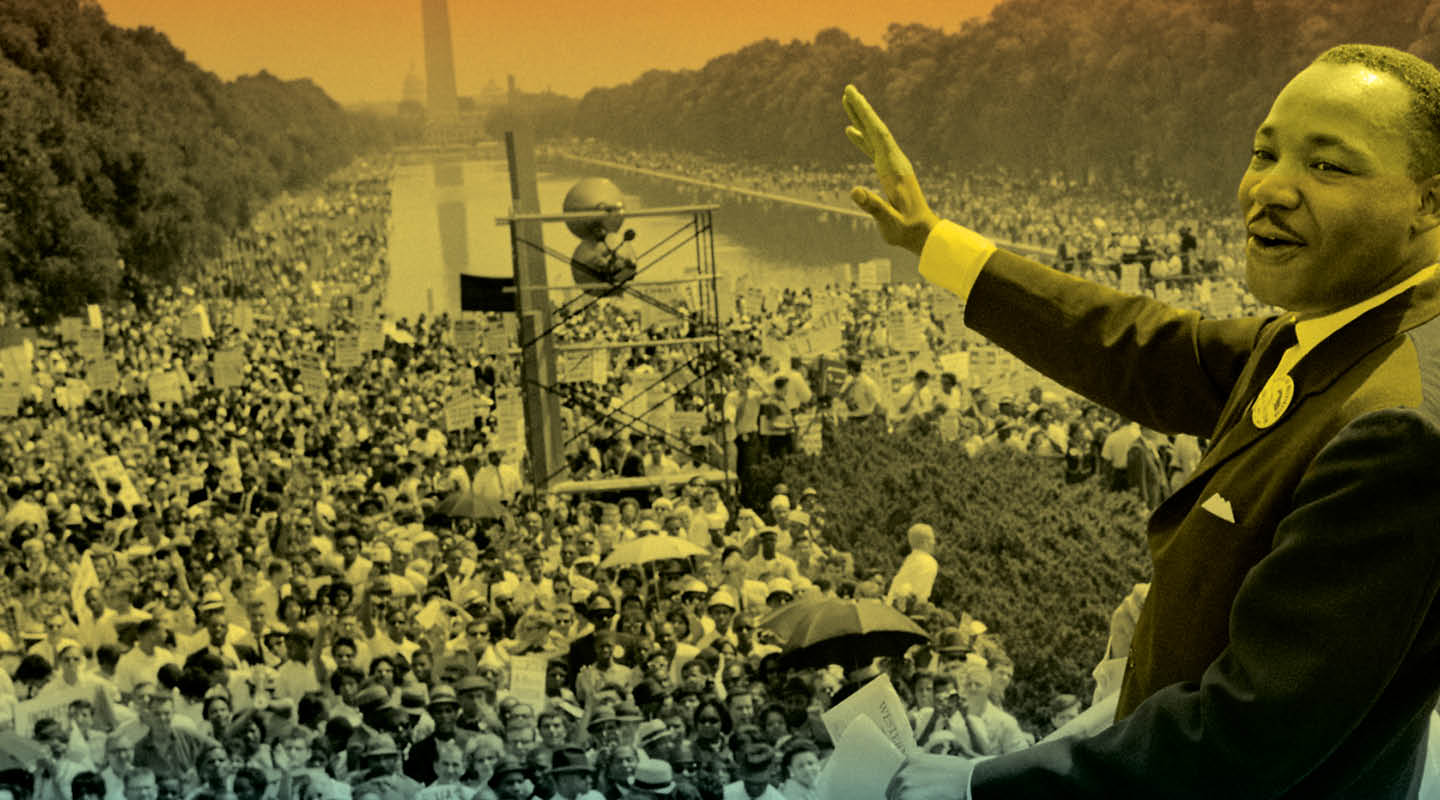
It was August 28, 1963. Tom had traveled north from his hometown of Birmingham, Alabama. Across the country, thousands of people had made similar trips.
Now a huge crowd was flooding the nation’s capital. They wanted equal treatment for Black Americans. For nearly 200 years, Black Americans had been robbed of basic rights by racist laws. They also faced hate and violence—especially in the South.
That day, the crowd was going to march together for about a mile. At the end, civil rights leaders would give speeches calling for change. This protest was known as the March on Washington.
As Tom got ready to walk, he felt something special: hope. It was already clear that this event would change history.
Tom Ellison stepped off the bus. He was 12 years old. He was excited. He was in Washington, D.C.!
It was August 28, 1963. Tom had traveled north from Birmingham, Alabama. That’s where he lived. Across the country, thousands of people made similar trips.
Now a huge crowd was at the nation’s capital. They wanted equal treatment for Black Americans. Racist laws had been in place for nearly 200 years. They robbed Black Americans of basic rights. Black Americans also faced hate and violence, especially in the South.
The crowd was going to march together. They would march for about a mile. At the end, civil rights leaders would give speeches. They would call for change. This protest was known as the March on Washington.
Tom felt hopeful. He knew this event would change history.
Twelve-year-old Tom Ellison stepped off the bus, his heart humming with excitement. Finally, he was here: Washington, D.C.!
It was August 28, 1963. Tom had traveled north from his hometown of Birmingham, Alabama. Across the country, thousands of other people had made similar trips.
Now a huge crowd was flooding the nation’s capital to demand equal treatment for Black Americans. For nearly 200 years, Black Americans had been robbed of basic rights by racist laws, and they had also faced hate and violence—especially in the South.
That day, the crowd was going to march together for about a mile, and at the end of the route, civil rights leaders would give speeches calling for change. This protest was known as the March on Washington.
As Tom got ready to walk, he felt something special: hope. It was already clear that this event would change history.